Uher 4000 Series
The Regional bunker based studios of the WTBS required an open-reel tape recorder that was simple to use and rugged. The Uher 4000 Series was the mainstay of portable recorders used by BBC journalists since the 1960s, so was ideal for this application.

Bits of Bent Metal
With its solid aluminium chassis and, in the early models, majority metal construction, the Uher 4000 Series* portable recorder was a rugged machine.
The internal mechanism, however, seemed to consist of a number of circuit boards packed around bits of bent metal and whirling wheels.
In fact, to adjust the machine the service manual instructed you to bend various parts to get it to run correctly!
This 4000 IC machine is an ex-BBC model and modified by them. Unusually it still retains the ability to select, via the "gear stick" on the right hand-side, one of the four tape speeds the machine could run at: From 19 CMS (centimetres/second) to a super slow 2.4 CMS.
The BBC standard was to record only at 19cms, so the ability to "change gear" to any other speed was locked out.
*The lineage of the 4000 series in its 30 years of production was; 4000L, 4000S , 4000 Report IC, 4000 Report Monitor

15 Minutes and That's Your Lot
The 4000 series took quarter-inch wide tape, the same width as the larger studio machines used, to maintain compatibility.
The tape could be taken straight off the Uher and put on the studio machine for broadcast.
The 5" diameter reels held enough tape for 15 minutes of recording.
In a WTBS studio the Uher would have been used to record announcements, thus saving the operator from having to broadcast repeated messages, and to play out pre-recorded pieces such as the attack warning.

Delightful DiN Connectors
Being a, at the time, West German product, first produced in 1961 and, in the main, little changed for its 30-year life, the 4000 used the DiN standard for audio connections.
The DiN standard was found on most West German made audio equipment in this era, consumer or professional. Linked to other DiN enabled equipment it offered a simple connection process: One cable for both input and output signals.
But to interface it to equipment using RCA or professional audio connections created challenges due to wildly different audio levels (volume) between the standards.
The DiN standard also utilised some of the most horrible audio connectors designed: Cheap plastic affairs with many pins in a confined space.
So much for German engineering!
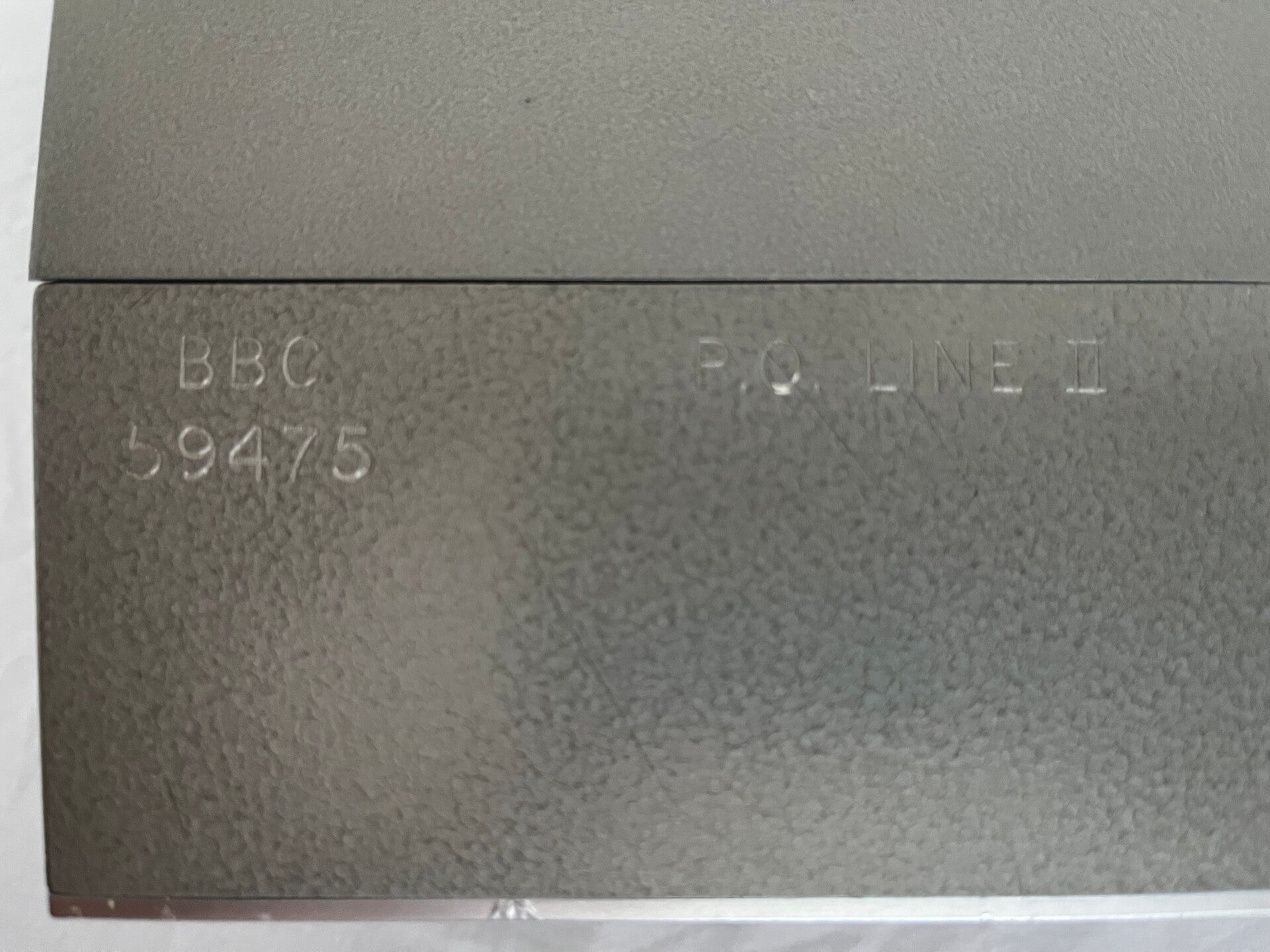
P.O. Lined Modified
One of the in-house modifications the BBC made to some Uher 4000s was the ability to connect it straight to a GPO telephone line, to be able to send the recording down the line to the receiving radio station to record.
Such a facility would have been useful in its application in a WTBS studio as a last-ditch method to drive a line to a transmitter if the bunker studio was unavailable.
"I went on a training course at the Civil Defence College in Easingwold. I was told I would need to take quite a lot of kit with me, including tape machines."
B Stockdale - a BBC staff member assigned to the WTBS