The Programmes
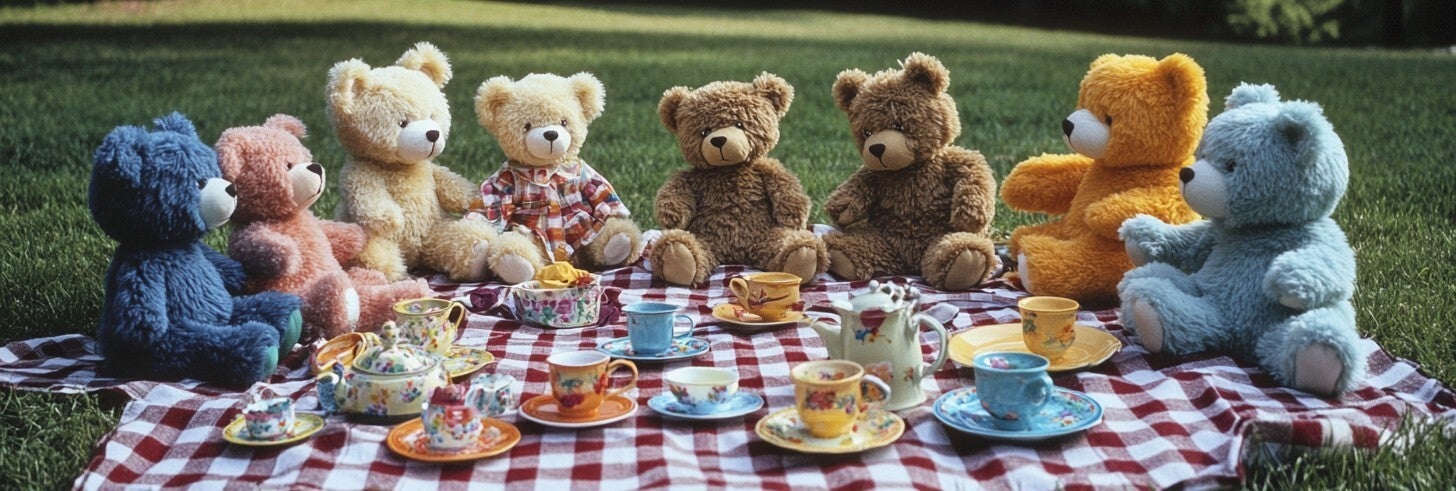
During its lifetime, from 1950 to 1992, the planned output of the WTBS changed significantly. Initially the BBC took its inspiration from the "Blitz Spirit" of ten years earlier, mixing news with morale boosting sing-along music, such as "The Teddy Bear's Picnic"! It morphed into its final phase of delivering Government controlled announcements to the survivors, going through a mid-period of broadcasting comedy and light entertainment.
The "Precautionary Period"
It was very unlikely that the four-minute warning would have been sounded with no warning at all.
Prior to a strike there would have been an indeterminate period of destabalisation in relations with the Soviet Union, which could have led to conflict.
This was termed the "Precautionary Period" and, of which, the WTBS would have been launched and played its part.


No Alarms & No Surprises
In the Precautionary Period the emphasis on what the BBC broadcast was that it should not cause any undue panic or alarm in the population.
To this end, no alarms, sirens, whistles or annoucements, that could be confused with a real attack warning. were to be included in any programming
Through passed experience of times of increased tension, such as the Cuban Missile Crisis in 1962 , it was recognised by both the Governemnt and the BBC that the public would seek solice in their chosen religion. Hence religious broadcasting on all media would have had a higher profile.
Advising The Householder CD Film
A film version of 1960s era Civil Defence handbook No: 10: "Advising the Householder on Protection Against Nuclear Attack". (Price 6d: Yes, you had to pay for it!)
It consisted of 6 short films for Civil Defence Corps personnel training, which could be rolled into a single film of around 30 minutes duration.
Had, as the film intones, the "international situation led to war" this complied film would have been broadcast on both BBC and ITV television in the "precauationary period" prior to the WTBS radio service starting.


Protect & Survive CD Film
The infamous and much ridiculed Government civil defence initative from the late 1970s through to the 1980s.
The Protect & Survive campagn consisted of a (free this time) booklet, that would have been sent to all households in the precautionary period, plus posters, the (in)famous film and a lesser known audio only version, with a more descriptive script, for radio broadcast.
Essentially using the same script as "Advising the Householder" but with added content of how to deal with the dead, "Protect & Survive " would have been shown on both BBC and ITV television channels whilst the audio version would be heard on BBC and commercial radio (ILR) stations.

BBC Ceefax & ITV Oracle Teletext
Teletext was introduced by the BBC in 1974 but did not reach widespread adoption until the 1980s. This is perhaps why the 1975 edition of the BBC War Book does not mention the service; there were simply so few television sets capable of receiving it.
However, the 1988 edition does in section 10.4. It outlined that it would be used to enhance the tuning information given out in the radio announcements, prior to the WTBS launching, "for as long as possible".
These, never seen, pages of Ceefax would have been broadcast from Television Centre, with backup services originating from Birmingham and Bristol.


The WTBS Radio Service
Once the codeword to launch the WTBS had been issued by the Government to the BBC, the Corporation would have put in train the instructions and procedures outlined in the BBC War Book of the time.
During "A (Annoucement) Hour", a list of the transmitter frequencies by each Civil Defence region would have been read out, instructing the listener to tune their portable radios accordingly.
In order to garner mass coverage, the IBA, (Independent Broadcasting Authority) would have handed over to the BBC, via switching at the Post Office Tower, the feeds to its transmitters, both television and , by the 1970s, its radio network too.

"I believe some of the programmes distributed for national emergency broadcasts were Goon Shows, to cheer everyone up!"
C P - BBC staff member connected with the WTBS